



Key Takeaways
- Uneven cooling is one of the most common comfort complaints in Clearwater homes, and it usually isn't caused by a broken air conditioner.
- Rooms heat differently based on sun exposure, floor level, duct length, insulation, and how air moves through your home's layout.
- Your thermostat only measures the temperature in one spot, so it can read 74 in the hallway while a back bedroom sits at 80.
- Cranking the thermostat down to cool one room overcools the rest of the house and drives up your energy bill without solving the problem.
- A quick room-by-room check can narrow down the cause before you call a pro. If adjustments aren't enough, FAST of Florida offers zoned solutions like Quilt smart climate systems with no payments for 12 months. Call 727-371-0503 to learn more.
Every house seems to have one: the bedroom that never cools down, the office that bakes every afternoon, the bonus room nobody uses from June through September. The thermostat says everything is fine, but walk into that one room, and it's a different climate entirely.
If this sounds like your Clearwater home, you're not imagining it, and your air conditioner probably isn't broken. As a trusted, local HVAC provider, FAST of Florida hears about "that one room" constantly. Here's what's actually going on, and what you can do about it.
Why Rooms in the Same House Cool Differently

Your HVAC produces the same cold air for every room. What happens to that air as it moves through your air duct, and to the heat each room takes on, is where things can differ.
- Sun Exposure - West- and south-facing rooms absorb direct sunlight all afternoon. By evening, the walls and furniture themselves radiate heat, long after the sun moves on.
- Floor Level - Heat rises. Second-story rooms sit closer to a hot attic and collect the warm air drifting up from below, which is why upstairs bedrooms are the most common trouble spots.
- Distance From the Air Handler - Cold air loses strength as it travels. Rooms farther from the system often receive less airflow, especially if ducts are long, restricted, or leaking. Rooms at the end of long duct runs receive weaker, slightly warmer airflow than rooms near the unit, and leaky or crushed ducts make it worse.
- Insulation and Windows - A room over a garage, a converted attic space, or a room with large or older windows takes on heat faster than the rest of the house can match.
- Layout and Airflow - Closed doors, furniture blocking vents, and choppy floor plans all interrupt the circulation your system depends on to even things out.
Any one of these can make a room run a few degrees warm. Stack two or three together, and you get a room that never catches up.
Why the Thermostat Can't See the Problem
Your thermostat measures the temperature in exactly one location, usually a central hallway. When that spot reaches your set point, the system shuts off, no matter what's happening in the rooms it can't feel.
So the hallway hits 74, and the AC takes a break, while the back bedroom is still sitting at 80. The system isn't failing. It's doing precisely what it was told based on the only data point it has.
This is also why the usual fix backfires. Dropping the thermostat to 68 to force the hot room down to something livable means the rest of the house gets overcooled, the system runs far longer than it should, and your energy bill climbs. You're paying to refrigerate the whole home to fight one room, and the underlying imbalance never goes away.
A Quick Room-by-Room Check Before You Call a Pro
You can narrow down the cause in a few minutes with nothing but your hands, 60 seconds, and an inexpensive thermometer:
- Compare vent airflow. Hold your hand to a supply vent in the hot room, then to one in a comfortable room. If the hot room's airflow is noticeably weaker, the issue lives in the ductwork or air balance, not the room itself.
- Measure the real gap. Place a thermometer in the hot room and compare it to the thermostat reading at the same time of day. A gap of 3 degrees or more, sustained for hours, means the imbalance is significant enough to address.
- Check the simple blockers. Make sure vents in the hot room are fully open, nothing is sitting on or in front of them, and the door stays open while the system runs. Closed interior doors can cut off return airflow and trap heat.
- Note the timing. If the room is only hot from mid-afternoon through evening, sun load is a major factor, and solutions like shading or window treatments may be part of the answer. If it's hot around the clock, look harder at ducts and insulation.
If airflow is strong, vents are clear, and the room still runs hot, the problem is bigger than an adjustment, and that's when it's worth calling the professionals at FAST of Florida at 727-371-0503.
What a Professional Evaluation Can Find
A FAST of Florida technician can measure airflow room by room, explain what's causing the imbalance, and walk you through the solutions that make the most sense for your home and comfort goals. Because our team provides HVAC, plumbing, and electrical services, we can identify related issues that may be contributing to comfort problems and coordinate solutions without sending you to multiple contractors.
Sometimes the fix is straightforward: sealing a duct leak, adding a return vent, adjusting dampers, or improving attic insulation. Those changes can meaningfully close the gap between rooms and take strain off your whole system.
When One Thermostat Will Never Be Enough
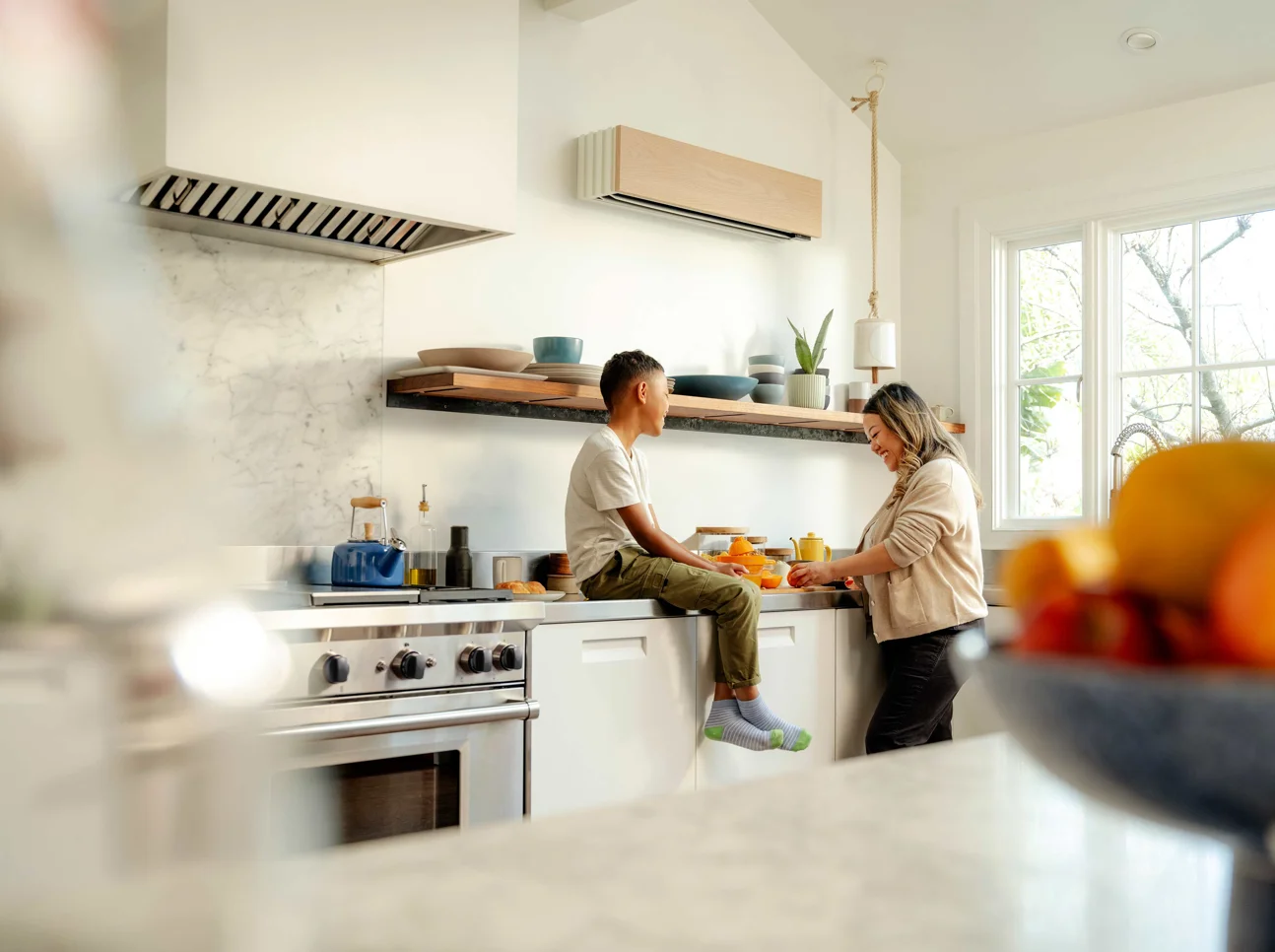
Sometimes the challenge isn't your equipment. It's asking one thermostat to manage rooms with very different cooling needs.
In those cases, zoned comfort solutions can give homeowners more control over temperatures in the spaces they use most. Systems like Quilt allow individual rooms to be adjusted independently, helping create more consistent comfort throughout the home. The upstairs bedroom gets exactly what it needs without freezing the living room. The afternoon-sun office cools down without running the whole house colder.
Instead of relying on one thermostat to manage the entire home, each room can be adjusted to the comfort level that works best for the people using it.
When a room-by-room comfort solution makes sense for your home, we'll help you understand the options and expected benefits. Qualified homeowners may also be eligible for financing, including no payments for 12 months.
Get Comfortable in Every Room Again
You shouldn't have to avoid a bedroom all summer or cool the entire house just to make one room comfortable. Let our team identify what's causing the imbalance and explain the solutions that can help restore comfort throughout your home.
Call 727-371-0503 or schedule your comfort evaluation online today.